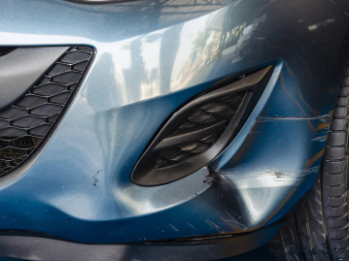
Ever run your finger over a scratch on your car and wonder just how bad it really is? Not every scratch is the same, and knowing the difference can save you a lot of money and stress. If you’re searching for car scratch repair in Bedford, the first thing you need to understand is depth. A scratch that’s barely there might buff out in minutes. One that’s dug into the metal needs proper attention before rust sets in.
This guide walks you through the three main levels of scratch damage, how to spot them, and what your repair options actually look like.
A scratch isn’t just a scratch. Your car’s paint sits in layers, and each one plays a different role. The clear coat provides protection from the sun’s rays and dirt to anything below it. Underneath is the actual paint which determines the color of the car. Beneath the paint is the primer, and beneath the primer is just the metal.
Depth changes everything about the fix. A shallow mark might need nothing more than a good polish. A deep one might mean stripping the area back and respraying it. Guessing at the depth and hoping for the best usually ends up costing more down the line, so it pays to know what you’re actually looking at.
These are the lightest scratches you’ll come across. They sit on the very top layer and don’t touch the color underneath. You’ll often spot them after a trip through an automatic car wash, a light brush against a hedge, or years of wiper blades dragging across the same spot on your windscreen surround.
The good news is these scratches usually look worse than they are. Run your fingernail across one and if it glides over smoothly without catching, you’re dealing with clear coat damage. A machine polish is often enough to bring the shine back without touching the paint at all.
Once a scratch cuts through the clear coat and into the color itself, things get a bit more serious. You’ll usually notice a dull line or a slightly different shade running through the scratch. These often come from car park scrapes, a stray shopping trolley, a key dragged along a door panel, or even a curious pet’s claws.
Paint-level damage needs more than a polish. Depending on how wide and deep it is, a technician might use a colour-matched touch-up pen for small marks or blend and respray the panel for anything more noticeable. Left alone, these scratches let moisture creep in over time, which speeds up further damage.
Primer scratches go a layer further still. At this point you’ll usually see a greyish or white line where the primer is exposed. Common causes include harder impacts like hedge trimming equipment catching a panel, road debris kicked up on the motorway, or a more forceful collision with something solid.
This is where car scratch repair in Bedford really needs a professional eye. Primer sits directly above bare metal, and once it’s compromised, the panel has almost no protection left against moisture. These scratches shouldn’t sit around waiting to be dealt with.
This is the deepest level of damage and the one that needs the fastest attention. Bare metal has zero protective coating, which means exposure to rain, road salt, and general damp British weather can trigger rust within days rather than months.
UV exposure plays a role too. Sunlight breaks down any remaining primer around the exposed area, widening the vulnerable patch over time. What starts as a small scratch can turn into a rust spot that spreads under the paint, sometimes requiring a much bigger repair than the original damage ever suggested. If you can see bare metal, don’t wait around.
Before booking anyone, you can do a rough check yourself. Run your fingernail gently across the scratch. If your nail catches or drags, the damage has likely gone past the clear coat. If it glides smoothly, you’re probably looking at surface-level wear only.
Whereas professional technicians use proper lighting, magnification, and in some cases even the little paint depth gauge to know exactly the depth of damage measured in microns. This helps them know exactly which layer has been damaged and how to go about it rather than assuming anything just by looking at the scratches from far away.
Once the depth is confirmed, the repair method usually follows a clear path.
Picking the wrong method rarely saves money in the long run. A polish won’t fix a primer scratch, and a full respray is overkill for something a quick buff would sort out.
It’s tempting to put off a repair, especially if the scratch is tucked away on a rear panel or bumper. But primer and bare metal scratches only get worse with time. Rust doesn’t stay contained to one small spot. It spreads under the surrounding paint, sometimes lifting it away from the panel entirely.
Beyond the damage itself, an untreated scratch can knock down your car’s resale value and make it harder to pass certain checks down the line. Sorting it early almost always costs less than fixing rust damage later.
For light clear coat scratches, yes, a DIY polish kit from most auto shops can do a decent job. Paint-level scratches are trickier since matching the exact color and blending it in without leaving a visible patch takes practice and the right tools.
Primer scratches and anything reaching bare metal really aren’t a DIY job. Getting the priming and color match wrong can trap moisture underneath the new paint, which causes bigger problems than the original scratch ever did.
Once your repair is done, a few simple habits keep your paintwork looking sharp for longer.
If your fingernail catches on the scratch, if you can see a color change, or if there’s any hint of grey primer or bare metal showing through, it’s time to get a professional opinion. Trying to guess your way through a deeper repair usually ends up costing more than getting it right the first time.
At the end of the day, a scratch is never just a scratch. Some wipe away with a bit of elbow grease, others sit there quietly getting worse until they’re not so quiet anymore. Knowing which one you’re dealing with saves you money, saves you a headache, and saves your car from damage that didn’t need to happen.
So next time you spot a mark on your bumper or door panel, don’t just cover it up and hope for the best. Check it, feel it, and if it feels deeper than it looks, get it sorted properly. For anyone after honest, reliable car scratch repair in Bedford, Propaint WA is the team that’ll tell you straight what’s going on with your paintwork and get it looking right again.

Unit 1/18-20 Drynan St, Bayswater, WA 6053