If you’re staring at your car wondering whether to repaint it or slap a wrap on it, you’re not alone. This is one of the most common questions car owners ask, and honestly, there’s no one-size-fits-all answer. Custom car paint Bayswater services and vinyl wraps both give your vehicle a fresh new look, but they work completely differently, cost differently, and last differently.
Some people want a finish that lasts as long as the car does. Others just want a change they can peel off in a year or two. Knowing which camp you fall into makes this decision a whole lot easier, so let’s break down exactly what separates the two.
Custom paint jobs involve the application of a true paint job that goes straight on to the body work of the car. This is not something that is applied as a film or a sticker on top of the car body but rather involves a real chemical bond. This paint will now be the car’s identity until another coat is painted over it.
Painting is more than just painting the car; it involves applying layers on top of each other, and each one serves a specific purpose, from protecting the metal underneath to giving that glossy look to the car.
The vast majority of modern cars utilize the base coat/clear coat painting process, whereby the color is applied first followed by a clear coat for gloss and protection. The single-stage paint process applies both the color and gloss in one step, a process that was prevalent with older cars. In two pack paints, the hardener is incorporated into the actual paint for a tougher and more chemical resistant finish. This is popular among custom-built cars.
Solid colours are still popular, but a lot of owners are leaning toward metallic flakes, pearl finishes, and candy paints that shift depending on the light hitting them. These finishes take more skill to apply evenly, which is exactly why the prep work and the painter’s experience matter so much.
A vinyl wrap is a large sheet of adhesive-backed film applied over your car’s existing paint. Think of it as a second skin sitting on top of the factory finish rather than replacing it. It can be peeled off later, which is the whole appeal for a lot of owners.
Most wraps are made from either calendared or cast vinyl. Cast vinyl is thinner, more flexible, and holds up better over time, which is why it’s the go-to choice for anyone planning to keep the wrap on for a few years rather than a few months.
Wraps come in almost every color imaginable, along with textures like brushed metal, carbon fibre, and satin finishes. Full custom designs and branding graphics are also possible, which is a big reason businesses lean toward wraps over paint.
Matte wraps give that flat, non-reflective look that’s become hugely popular in recent years. Satin sits somewhere between matte and gloss. Chrome wraps mimic a mirror-like finish that paint simply can’t replicate easily, and colour-shift wraps change tone depending on the angle you’re viewing from. Each one gives a completely different personality to the same car.
A properly applied paint job holds up for years, sometimes decades, with the right care. It’s baked into the surface rather than sitting on top of it, so it doesn’t peel or lift at the edges the way film eventually can.
There’s a depth and richness to a professional paint job that’s hard to replicate with any other method. Light hits real paint differently than it hits film, and most people notice the difference even if they can’t explain exactly why.
Paint can be custom mixed to any shade imaginable, blended, faded, or layered in ways that give you a completely one-of-a-kind result.
If you’re restoring a car from the ground up, paint just makes more sense. You’re already stripping panels down and fixing bodywork, so finishing the job with a proper paint system gives you a result that matches the quality of everything else you’ve done.
If you’re not ready to commit to a colour forever, wrap gives you the freedom to change your mind down the track without touching the original paint underneath.
Wraps are the obvious choice for company vehicles. You get full color branding, logos, and contact details applied cleanly, and if your branding changes later, the wrap comes off without any lasting damage.
The wraps can always be removed and changed whenever you desire to make changes, but the paint will not offer you such convenience until you re-spray it again.
Car wrapping is usually less expensive than a complete custom paint job, which can make it more attractive to those people looking for a fresh look at lower costs.
Paint gives you that deep, glossy, factory-grade look that’s baked into the surface. Wraps look great too, but a trained eye can usually tell the difference up close, especially around edges and curves.
Paint can last well over a decade with proper care. Wraps typically last five to seven years before the material starts to fade or lift.
Bayswater sees plenty of harsh sun and heat throughout the year, and that takes a toll on both options. Paint holds colour well when it’s protected with a clear coat, while wraps are more prone to fading, shrinking, or lifting at the edges when exposed to constant heat and UV.
They both require frequent cleaning, but the paint can tolerate more powerful cleaning solutions and machine polishing while wraps require gentler treatment and special cleaning solutions to prevent damage to the wrap film.
Small paint chips or scratches can be touched up without redoing the whole panel. Wrap doesn’t work that way. Damage usually means replacing that whole section since patches never blend in right.
A full re-spray takes longer once you factor in prep, painting, and curing. Wrapping is quicker, which helps if you need the car back fast.
Wraps cost less upfront. Paint costs more now but tends to pay off over time since it lasts longer and doesn’t need redoing every few years.
Good paint work can genuinely bump up resale value, especially on classics or performance cars. Wraps stay pretty neutral for resale since buyers know they can come off, though a wrap in bad shape can actually hurt your sale price.
Not if it’s done right. The real problems show up when a wrap sits on too long or gets pulled off carelessly, which can damage a clear coat that’s already weak or aging.
Good paint work starts way before any color touches the car. The surface has to be clean, smooth, and free of anything that could mess with how the paint sticks.
Dents, scratches, and rust get fixed first. Paint over them and you’re just locking the problem in until it shows up again later.
Sanding gives the paint something to grip onto. Priming builds the base underneath so the colour goes on even and lasts.
Matching an existing factory shade, or building something totally custom, takes real skill and the right tools to get exactly right.
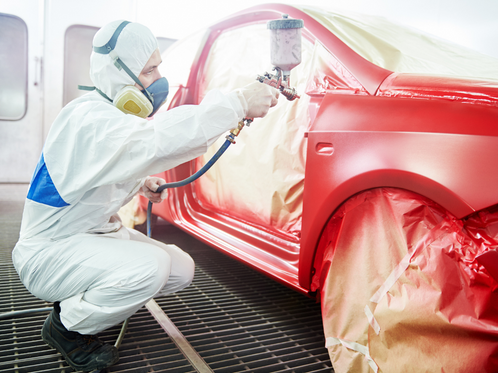
A proper spray booth keeps dust and temperature swings out of the picture, which is a big reason professional paint jobs come out so much smoother than a driveway job.
A clear coat isn’t just there for shine. It protects the color from possible sun damages, chemicals, and everyday wear and tear.
Some owners add paint protection film over a fresh job to guard against chips and scratches while keeping the actual paint underneath untouched.
Wraps are cheaper to start. Paint costs more upfront but lasts a lot longer.
Keeping the car for years? Paint makes more sense. Planning to sell soon? A wrap might suit you better.
Cars dealing with constant sun, rough roads, or harsh weather need something tough, and paint usually holds up better here.
Want something bold you can change later? Go wrap. Want something that feels permanent and personal to the car? Paint’s the better call.
Changing your car’s look, either way, can affect your insurance. Some insurers want you to update your policy after a colour change, so it’s worth checking first.
Most states, WA included, need you to report a colour change to your licensing authority, whether it came from paint or a wrap. Skip this and it can cause headaches later.
Use proper car wash products and soft microfiber cloths. Dish soap and rough sponges wear down the protective layer over time.
Park in the shade when you can and keep a good wax or sealant on the paint. It makes a real difference through the hotter months.
Bird droppings, sap, and road grime should come off fast. Left sitting too long, they eat into the clear coat and leave marks that don’t come out.
Regular paint inspections will help you catch minor problems, such as little chips or clear coat damage, before they become more major and expensive problems to solve.
At the end of the day, it comes down to what you actually want from your car. Want something temporary you can change your mind on later? A wrap does the job well. Want a finish that becomes part of the car and holds up for years without much fuss? Paint is hard to beat.
If you’re ready for a custom car paint Bayswater job done right, from the prep work all the way to that final clear coat, get in touch with Propaint WA and let’s bring your vision to life.
Unit 1/18-20 Drynan St, Bayswater, WA 6053